
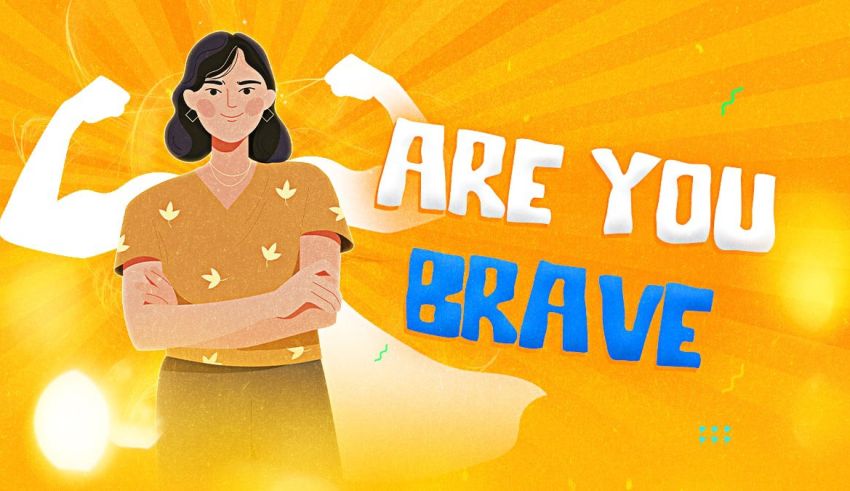
Everyday courage has different shapes
Being brave can mean asking for help when you’d rather figure everything out alone. It can also mean admitting a mistake or telling a friend you don’t have time for another favor. These choices don’t need an audience.
Fearlessness means you don’t feel afraid; courage can include acting while you feel nervous. Neither feeling tells you whether a choice is safe. Leaving an unsafe situation, finding support, or deciding against a risk can be a thoughtful response.
You don’t owe anyone a daring story. Trying an unfamiliar class can be enough of a challenge for one afternoon.
How this quiz works
This entertainment quiz has 15 questions about everyday choices. You’ll consider situations such as leading a game, joining a new club, handling a stuck group project, and responding to a mean comment about someone who isn’t there.
Your answers guide a match to one of four courage styles. The styles aren’t ranked, and there isn’t a top score you need to reach. Choose the response closest to what you’d usually do, even if another answer sounds more impressive.
The quiz is for fun and self-reflection. It isn’t a validated measure of courage or a mental health assessment.
What the four results mean
Thoughtful planner
The Thoughtful Planner style puts preparation first. For a presentation, that could mean practicing your opening or making notes so you have something to return to if you lose your place. Preparation helps you start, though waiting until every detail feels settled can hold you up. What would count as enough preparation for your next small step?
Steady perseverer
Small, repeatable steps are central to Steady Perseverer. A difficult group project might call for finishing one manageable task before tackling the next. Staying with something can help, but changing a plan is allowed too. Where could a break or a different approach help you continue?
Supportive ally
With Supportive Ally, the focus is on helping someone feel less alone. You might check on the person targeted by a mean comment or ask what support they’d like. Taking on everyone’s needs can leave too little room for your own. What help could you give without stretching past your limits?
Outspoken advocate
Outspoken Advocate centers on saying something when a situation needs attention. That could mean naming an unfair comment or being clear about how much time you can give. Speaking directly can help, though choosing the moment matters. Would a private conversation give you more room to explain?
How to read your match
Your result describes an approach you might recognize in your answers. You might plan carefully for a class presentation and speak up quickly for a friend. A different setting can bring out a different response.
If you enjoy comparing personality labels, our quiz about the sigma male archetype explores another playful personality category. Treat any label as a starting point for reflection, with room for the choices that don’t fit.
Leave a Reply