
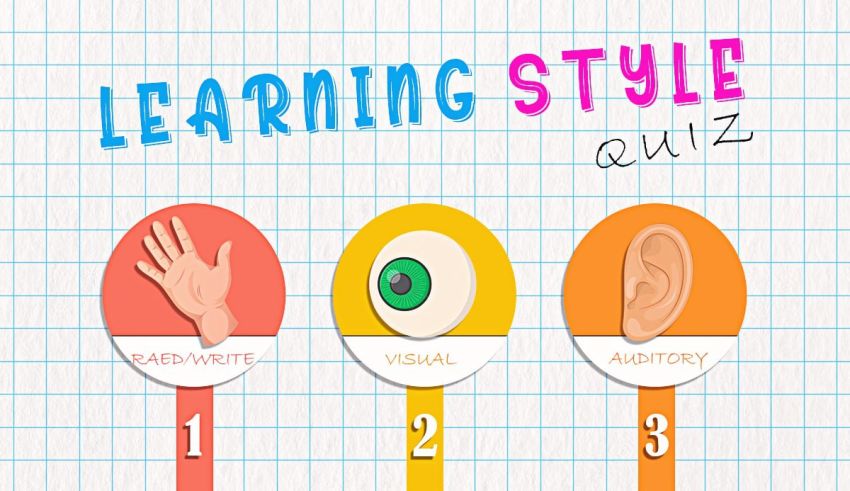
Learning preferences aren’t learning ability
A learning style quiz can help you name the formats you tend to choose. You might reach for a diagram before a written explanation, or prefer hearing someone talk through a problem.
This is an informal preference quiz, not an assessment of your learning ability. Your result describes your choices here. It doesn’t measure intelligence, memory, or how well you’ll do in a class.
How this quiz works
The quiz has 15 questions about everyday learning situations. You’ll choose how you’d explore things such as bridge design, a new card game, or your phone’s camera settings.
Those choices point toward four possible results: Drawn to Visuals, Drawn to Audio, Drawn to Reading and Writing, and Drawn to Hands-On Practice. Answer with the option you’d actually choose for each task, even if a different option sounds more like a good student’s answer.
You can like several formats. A single result doesn’t capture every preference you have, and choosing pictures for one topic doesn’t mean you’ll want them for everything.
Four learning formats
Visuals
Drawn to Visuals describes a preference for information you can see in pictures or diagrams. For moon phases, you might choose a labeled drawing that shows the moon’s changing appearance.
Try sketching a process or comparing two diagrams. Written labels can help you check what each part means.
Audio
If you prefer spoken explanations, Drawn to Audio may feel familiar. You might want someone to explain a card game’s rules aloud before you join a round.
A recorded explanation or a discussion could be worth trying. Pause to explain the idea back in your own words, then check anything you missed.
Reading and writing
Drawn to Reading and Writing points to a preference for written information. You might request a recipe with clear steps that you can reread while cooking.
Use a short guide, write questions in the margin, or make your own notes. A picture can still help when the words leave a detail unclear.
Hands-on practice
With Drawn to Hands-On Practice, you’d often choose to try the task yourself. For origami, that could mean folding paper while following the instructions.
Practice a small step and compare your attempt with an example. For tasks involving tools or heat, get safety instructions before experimenting.
What a preference can tell you
Enjoying a format doesn’t establish that matching every lesson to it improves learning. This quiz can’t test that claim: it asks what you’d choose, then gives you a preference result.
The task matters too. A diagram can show where a camera setting is, while using the camera lets you see what that setting changes.
Try a format, then check your understanding
Pick a small topic and use a format you like. Afterward, put the material away and explain the idea or attempt the task without help.
If you get stuck, check the missing step and try another resource. You might combine written sewing instructions with a demonstration, then practice the stitch yourself.
Leave a Reply