
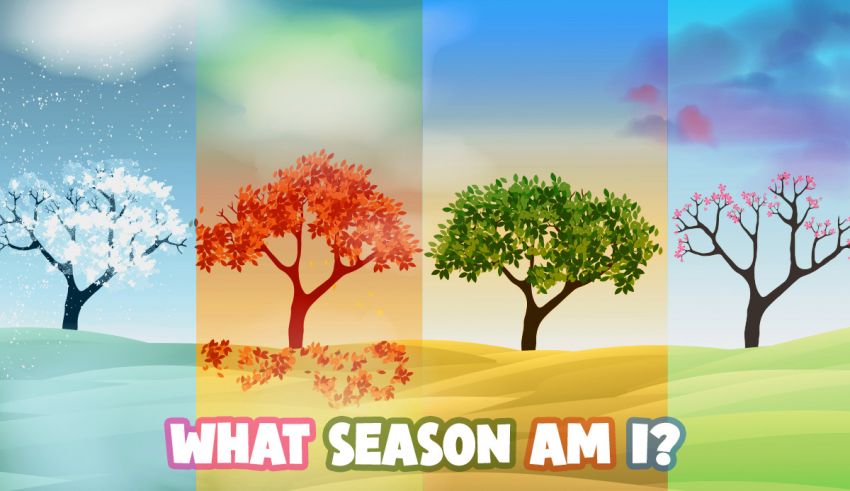
What season am I?
Season names give this quiz a playful way to describe everyday preferences. Spring, Summer, Autumn, and Winter are fictional personality types here, with different approaches to company and change.
This is a personality comparison for fun and self-reflection, not personal color analysis or a validated personality assessment. You can explore what color looks best on you in a separate style quiz.
How this quiz works
The 15 questions ask about familiar choices. You’ll consider what you’d suggest after plans fall through, how you react to a friend’s new hobby, and what helps you settle into an unfamiliar place.
Other questions look at your role in a group project or how you decide your day is full. These choices give you ways to think about your social energy, your preferred pace, and your response to change.
Your answers help choose a seasonal match based on those preferences. Choose the response closest to what you usually do. If two answers fit, think about a recent example instead of trying to describe every version of yourself.
What the four seasonal matches mean
Spring
A Spring match leans toward curiosity and fresh starts. You might enjoy hearing about a new hobby or finding another plan when the original one falls through. That openness can help you try things, though keeping room for new interests can leave older projects waiting.
Summer
Shared plans and time with other people fit the Summer type. You may enjoy getting a quiet group chat moving again or helping everyone take part. Bringing people together has its pleasures, but a full calendar can leave less space for an evening to yourself.
Autumn
With Autumn, the emphasis is on thoughtful choices and familiar comforts. You might prefer a conversation with time to listen, or a weekend with room for something you already love. A steady pace can feel satisfying, even if changing an established plan takes some adjustment.
Winter
The Winter type puts more weight on personal space and clear limits. You might want time to think before answering a disagreement or prefer a smaller set of plans. Protecting that space can help you focus, though other people may need you to say when you’d welcome their company.
How to read a mixed result
You can recognize yourself in several descriptions. Enjoying a busy evening with friends and wanting a quiet morning afterward can both fit your usual habits. The result gives you one seasonal lens for the answers you chose.
If a description feels off, look at the specific preference behind it. You might like new experiences but dislike last-minute changes, for example. That distinction tells you more about your choices than trying to fit every habit into one season.
Leave a Reply