
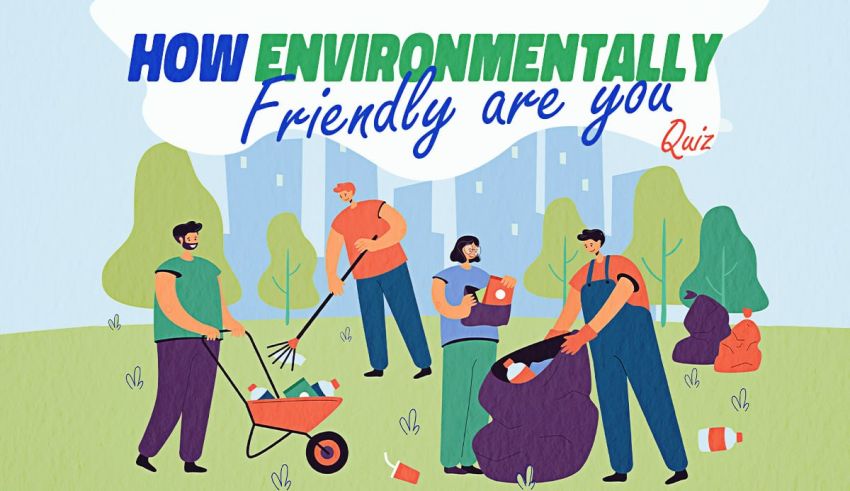
Everyday habits depend on your options
Environmentally friendly choices aim to reduce harm to the environment, such as using fewer resources or creating less waste. What works for you depends on your budget, your access needs, and the services near you.
A renter might need permission to change a fixture. Someone without a bus route has different travel options than someone living beside a station. The products involved matter, too: a label alone doesn’t explain how something was made or how long it’ll last.
How this quiz works
The 15 questions ask about the choices you make or would consider. You’ll think about a loose backpack strap, planning trips, and what you’d do with a vague green product claim.
Your answers help match you with one of four habit profiles. The profiles describe approaches to everyday decisions, without ranking your worth or comparing you with other people.
This is entertainment based on what you report, not a carbon-footprint calculation or a verified sustainability rating. It doesn’t measure your total environmental impact. Answer for the options you actually have, with choices that fit the money and time available to you.
What the four profiles mean
Practical reuser
This profile centers on keeping useful things in use. Repairing a backpack or finding another use for something you own fits that approach.
Your next step could be learning one simple repair or checking what you already have before shopping. Repair isn’t always possible, and you don’t need to keep broken things you can’t safely use.
Everyday planner
Planning gives you time to think through purchases and trips before you’re rushed. A short kitchen check before shopping might fit this profile.
Try a shopping list based on what you’ll use, or combine errands when your schedule allows. Work hours and access needs can limit how much you can plan ahead.
Careful checker
Specific information helps you decide what to trust. For a vague product claim, you might check whether it covers the whole product. Some claims apply only to the packaging or ingredients.
Try checking one claim before a purchase or reading your local recycling instructions. You won’t always find a clear answer, and researching every purchase takes time.
Community connector
Shared tools and local workshops fit this profile. You might prefer asking about a building-wide recycling option to finding a separate solution for every household.
Look for a borrowing group or ask a local service what it accepts. Availability varies, and organizing other people doesn’t have to become your job.
Give your circumstances room
A profile can give you an idea to try without becoming a rule for every decision. You might repair something one week and need a replacement the next.
If local services shape your choices, thinking about where you’d like to live can help you name what you’d want nearby. For now, choose an idea that fits your home and the time you have.
Leave a Reply