
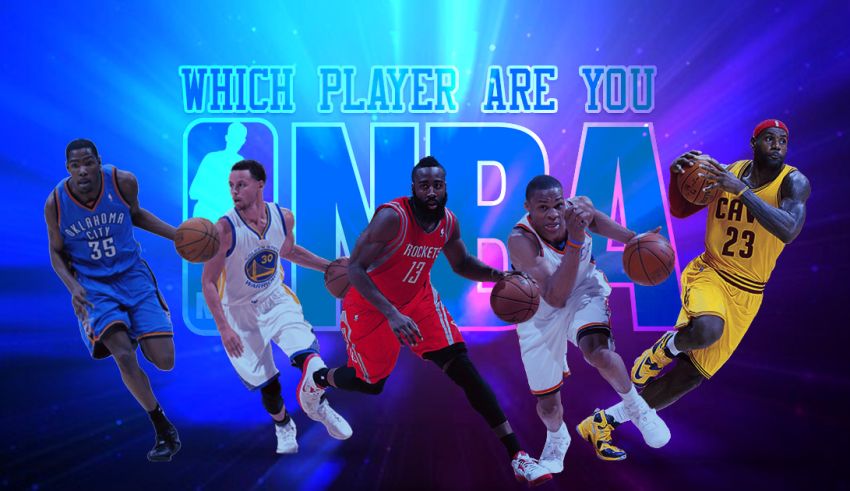
Which NBA Player Are You? 2025 Personality-Based Match

Would you like to know which NBA player you are? Answer 14 personality questions to discover your pro player match in no time.

Which NBA Player Are You

This quiz matches you to famous NBA players based on how you think and play. You might land on LeBron James, Stephen Curry, Nikola Jokic, Giannis Antetokounmpo, Jayson Tatum, or other famous players. The goal is the closest fit. It is not a scouting grade. If you want a straight knowledge test instead, try our NBA Teams and Players Trivia Quiz.

How your match is calculated

Your answers build a simple profile. We compare that profile with current player archetypes. We look at pace, shot selection, playmaking, defensive habits, leadership style, and late-game choices. The result reflects repeated patterns, not one hot night. Small answer changes can shift the outcome, which is normal.

Five famous 2025 player profiles you might match

LeBron James

Trait: reads the floor early, directs traffic, pressures the rim, finds cutters.

Strength: leadership and vision in any lineup, strong driving game, reliable post passing.

Weakness: off-ball consistency can dip when saving energy, outside shooting can run hot then cool, workload must be managed.

Why you may match it: you value control, see plays before they form, and prefer creating the right shot over forcing your own.

Stephen Curry

Trait: relentless movement, deep shooting range, quick handle into space.

Strength: gravity that bends defenses, fast decisions, elite relocation threes.

Weakness: can be targeted by bigger lineups, streaks happen when legs are heavy, needs teammates who screen and read with him.

Why you may match it: you trust skill and timing, open the floor for others by simply being active, and win with spacing and pace.

Nikola Jokic

Trait: point-center playmaking, soft touch, angles over speed.

Strength: elite reads from the high post, efficient scoring, seals and positioning that create easy looks for teammates.

Weakness: limited vertical pop, can be tested in space against quick guards, relies on team communication on defense.

Why you may match it: you solve games with patience and vision, let the ball do the work, and punish mistakes with simple counters.

Giannis Antetokounmpo

Trait: constant rim pressure, coast to coast speed, length at the rim.

Strength: paint dominance, transition bursts, help-side defense that cleans up errors.

Weakness: free throws can swing late-game value, pull-up range is still a project, half-court spacing needs the right partners.

Why you may match it: you play through contact, keep attacking, and change games with effort and force.

Jayson Tatum

Trait: two-way wing scorer, face-up footwork, switchable defense.

Strength: size and balance at the position, shot creation from the elbows and wings, steady perimeter defense.

Weakness: finishing can swing by night, turnovers can rise when the handle gets crowded, rhythm matters.

Why you may match it: you prefer measured attacks, take what the defense gives, and hold your own on both ends.

Getting a result that feels right

Answer fast. Pick what fits your usual game, not the best version of you. Do not try to force a specific star. Let the traits guide the match. If the name feels off, retake it with your real habits in mind. Many people discover they sit between two profiles, which is fine.

How we keep this updated

We update the player pool at the start of each season and after major checkpoints like the All-Star break and the Finals. For names, teams, and basic context, we verify against official listings on NBA.com and player pages on Basketball Reference. We write our own descriptions. We do not copy their text. The quiz uses only your answers. No sensitive data is collected. If you enjoy visual recognition challenges, the NBA Tattoo Quiz is a good side test that sharpens attention to detail.


Leave a Reply

Your email address will not be published. Required fields are marked *

Questions of The Quiz

1
You just lost a playoff series. What is your next move within 24 hours?
  • Film with starters on late-game

  • Light shooting, movement reps

  • Short-roll reads and coverages

  • Conditioning, free throws, recovery

  • Handle/footwork, quick coach review

  • PnR reps, pace, step-backs

  • Midrange routine, POA defense clips

2
What matters most when judging a great NBA player?
  • Playmaking that lifts teammates

  • Scoring gravity, clutch shot quality

  • Half-court efficiency and decisions

  • Paint pressure, free throws

  • Two-way playoff impact

  • Tempo control, PnR reads

  • Midrange creation, on-ball defense

3
In pick and roll, which role feels most natural to you?
  • Primary handler; hit cutters/corners

  • Handler using screens for threes

  • Short-roll playmaker vs doubles

  • Hard-diving roller, collapse paint

  • Wing rejects screens, balanced attacks

  • Snake PnR, hunt switches/step-backs

  • Mid-post scorer over contests

4
In the locker room, your teammates see you as the one who...
  • Leads talk, sets plan

  • Boosts energy with movement

  • Solves spacing/timing problems

  • Sets physical tone; high standards

  • Steady; leads by example

  • Reads matchups, calls coverages

  • Quiet, locked-in presence

5
On an off day, what helps your game the most?
  • Film with coaches; playmaking drills

  • Movement shooting, relocation

  • Elbow touch shots, angles

  • Strength, core, then free throws

  • Footwork to pull-ups; catch-and-shoot

  • PnR volume, pace, step-backs

  • Midrange spots; POA defense

6
Which scoring approach feels most like you?
  • Drive-and-kick until defense breaks

  • Movement threes, quick release

  • Floaters/hooks from smart position

  • Relentless rim pressure, put-backs

  • Measured pull-ups, counters

  • Iso reads to step-back threes

  • Mid-post, rise over contests

7
Practice emphasis you would never skip:
  • Two-man reads and timing

  • Shooting volume; movement/balance

  • High-post passing windows/angles

  • Finish through contact; free throws

  • Footwork, balance, closeout reads

  • PnR pace, counters, skip passes

  • Midrange rhythm; defensive slides

8
End-of-game playcalling philosophy:
  • Trust the set; find best shot

  • Free a clean three; read scramble

  • Flow to DHO/short roll; read help

  • Head of steam; spaced corners

  • Hunt mismatch; balanced pull-up

  • High PnR; late-clock step-back

  • Get to spot, rise; live with it

9
When you evaluate players, which evidence carries the most weight?
  • Creation for others; low turnovers

  • Shot quality, spacing, self-creation

  • Half-court efficiency, pressure counters

  • Paint touches, FTs, transition value

  • Two-way playoff matchups

  • PnR reads, pace control

  • Midrange creation; POA stops

10
Shot selection philosophy you trust most:
  • Paint touch, kick-out for great look

  • Hunt movement threes

  • Touch shot when help commits

  • Pressure rim; live at line

  • Balanced mix per coverage

  • Manipulate drop; step-back or pocket pass

  • Go midrange when paint is loaded

11
If you had to pick one season-long focus, what would it be?
  • Earlier reads to lift teammates

  • More movement threes, same efficiency

  • Master short-roll vs doubles

  • Finish through contact; improve FTs

  • Tighten handle; cut turnovers

  • Control pace across long minutes

  • Add counters from midrange spots

12
Most important team trait for a deep playoff run:
  • Trust and communication late

  • Spacing and screening detail

  • Half-court decisions under pressure

  • Paint protection and boards

  • Switchable two-way wings

  • Tempo control by creator

  • Reliable midrange and POA stops

13
On a contender, which role would you be most comfortable with?
  • Primary initiator and leader

  • Primary scorer with movement gravity

  • Elbow hub connecting actions

  • Paint-bending force; help anchor

  • Two-way wing on tough covers

  • On-ball engine; tempo/matchups

  • Methodical closer; reliable spots

14
On a scale of 0 to 10, how important is being the team captain to you?
  • 0–1

  • 2–3

  • 4–5

  • 6–7

  • 8

  • 9

  • 10