
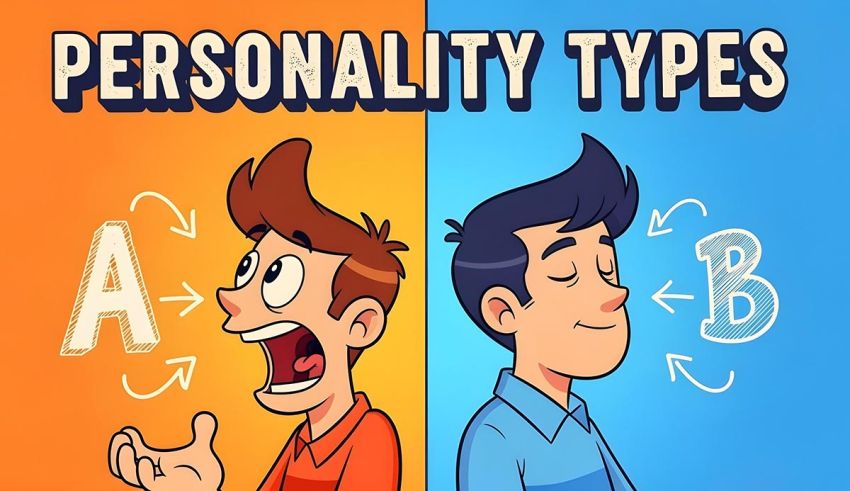
This quiz is going to help you learn what Type A and Type B patterns mean, how they can show up in your pace, planning, and stress responses, and how to use a short self-check to notice your current tendencies. Understanding your style can guide small, practical habits that support focus, ease, and healthy coping.
Disclaimer: This quiz is for education only and isn’t a diagnosis or a substitute for professional care.
What do “Type A” and “Type B” mean?
These terms describe patterns of behavior and stress response, not who you are at your core. Many people show a mix that shifts across settings (work, home, school) and over time.
Quick definitions
- Type A–leaning patterns may include time urgency (often feeling rushed), competitiveness, strong drive to achieve, and discomfort with delays.
- Type B–leaning patterns may include a more relaxed pace, flexibility with timelines, comfort taking breaks, and valuing process over speed.
Neither style is “good” or “bad.” Context matters: Urgency can help on a deadline; calm can help during conflict. If stress starts affecting sleep, mood, relationships, or health, it may be worth checking in with a professional.
Interpreting your style
Many factors, including temperament, habits, roles, culture, and current stress shape personality patterns. A Type A, leaning week during exams or deadlines doesn’t lock you into one style. Likewise, a restful vacation might nudge you toward Type B.
Consider where your style helps (meeting goals, staying organized) and where it hinders (tension, fatigue, conflict). If you notice frequent signs of stress, like poor sleep, headaches, irritability, or worry, small routine shifts may help. People often benefit from skills that balance their default style: urgency paired with micro-breaks; ease paired with simple planning.
What to do next
You could try one or two ideas and see what actually helps:
- Build micro-pauses: 60–90 seconds to stand, breathe, or stretch between tasks.
- Use gentle planning: A short daily plan with 1–3 priorities.
- Practice flexible thinking: When plans change, name one benefit or next best step.
- Check basic needs: Sleep, movement, meals, and connection can steady stress.
- Talk it out: If stress affects daily life, consider speaking with a licensed clinician or counselor for personalized guidance.
FAQs
Is “Type A vs. Type B” a medical diagnosis?
No. These are broad behavior patterns used to describe tendencies, not clinical diagnoses.
Can someone be both types?
Yes. Most people show a mix that shifts with context, roles, and stress levels.
Does Type A always mean “unhealthy stress”?
Not necessarily. Drive and focus can be helpful. Concerns usually arise when urgency and tension are frequent and hard to turn down.
Can my style change over time?
It can. Life stage, workload, health, and coping skills may nudge patterns in either direction.
How accurate is this quiz?
It’s an informal reflection tool, not a validated assessment. It can spark insight, but can’t diagnose or predict health outcomes.
References & resources
- American Psychological Association (APA) Dictionary of Psychology: Type A behavior pattern; stress (terminology overview).
- American Heart Association. Stress and Heart Health (patient education).
- Chida, Y., & Steptoe, A. (2009). The association of anger and hostility with future coronary heart disease. Journal of the American College of Cardiology, 53(11), 936–946.
- Myrtek, M. (2001). Meta-analyses of prospective studies on coronary heart disease, Type A personality, and hostility. International Journal of Cardiology, 79(2–3), 245–251.
- National Institutes of Health (NIH). Manage Stress: Strengthen Your Support Network (health information).
Leave a Reply