
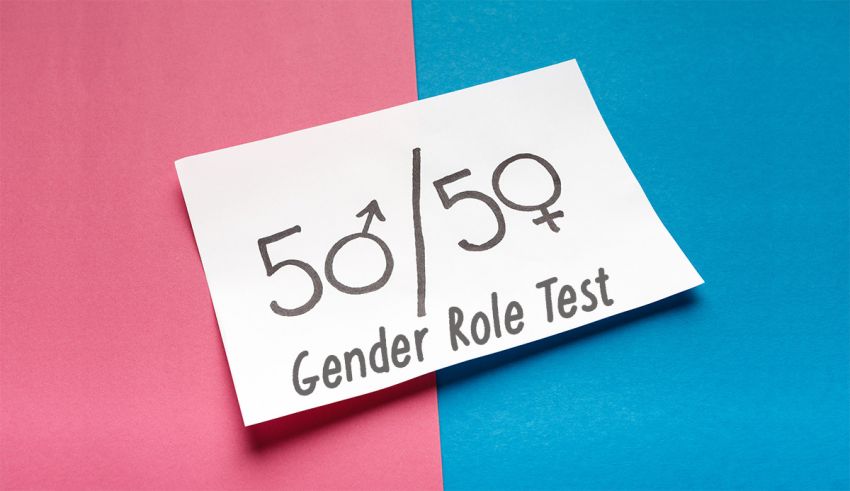
What gender roles are
Gender roles are social expectations about how people should behave based on gender. You might hear that men should pay on dates or that women should handle childcare. Those expectations can affect which choices feel open to you.
Gender identity is your inner sense of your gender. Sexual orientation describes who you feel romantic or sexual attraction to. These are different from expectations about who cooks dinner or leads a project. A person’s clothes or job don’t tell you their identity or orientation.
How this quiz works
This gender role test has 15 questions about everyday situations. You’ll consider decisions in relationships, work and caregiving, along with reactions to appearance and emotional expression.
Your answers lead to one of four response patterns. The focus is on the expectations you bring to these situations, including when you favor familiar roles or leave decisions to the people involved.
Choose the answer closest to your usual reaction, even if another option sounds better on paper. You can also notice when none of the choices fully captures your view. A short quiz can’t cover every reason behind an answer.
This is an informal quiz for self-reflection and fun, not a measure of health, gender identity or personal worth. Your result describes a pattern in these answers, and your views can change with experience.
What the four results mean
Familiar role expectations
This pattern leans toward roles you’ve learned to expect, such as men taking charge or women handling care. You might ask which expectations you freely choose for yourself and which you also expect other people to follow.
Individual choice
Personal preference and ability guide this response pattern more than gender expectations. A useful question is how you’d respond when someone freely chooses a familiar role, such as a mother staying home with her baby.
Context-dependent views
Your responses change with the situation. You might divide chores by available time but have a fixed expectation about paying on dates. Consider what makes those situations different for you.
Views still taking shape
Some answers suggest uncertainty or views you’re still working out. You don’t need a settled opinion on every situation. Think about what information you’d want before deciding, or whose experience you’d like to understand better.
Where expectations can narrow choices
If a group always asks its only woman to take notes, she has fewer chances to lead the discussion. Asking about experience before assigning jobs gives everyone a chance to try something different.
A dad who wants to stay home with his baby may face doubts about his choice. A boy who likes nail polish may hear that it’s for girls. You can ask about someone’s needs or preferences without making gender the deciding factor.
For another angle on your own habits, you can explore how you make everyday choicesincluding what guides you when other people’s expectations differ from yours.
Leave a Reply