Amino Acid Quiz: 15 Fun Questions + Simple Facts

Learn amino acids with 15 multiple-choice questions and simple explanations. Essentials vs. nonessential, R-groups, and food sources.

Amino Acid Quiz

Amino acids explained in simple words

Amino acids are the tiny parts that build proteins. Proteins help your muscles, skin, and organs work. This quiz turns those big ideas into clear, kid-friendly questions. Read the short notes below, then start.

What you will learn

  • The difference between essential and nonessential amino acids
  • What an “R-group” is, and why it makes each amino acid unique
  • How proteins fold and why shape matters
  • Foods that give your body the amino acids it needs

Quick facts

  • There are 20 common amino acids in most school lessons.
  • Essential amino acids must come from food.
  • Nonessential amino acids can be made by your body.
  • Proteins are long chains of amino acids linked together.

Study tips for kids

  • Say the names out loud. Short practice helps you remember.
  • Match each amino acid to a simple job, like “helps muscles recover.”
  • Think of food examples, like eggs, beans, fish, or yogurt.

Helpful links for extra practice

If you want to review basic body topics before the quiz, try the Anatomy Quiz. If your child enjoys brain puzzles, the IQ Test for Kids is a good warm-up.

To connect science with everyday food, play a fun round of the Food Quiz or check the Italian Food Quiz. Use them to chat about protein sources in meals.

Before you start

  • Keep a piece of paper nearby for quick notes.
  • Take your time. Read each question fully.
  • If a word feels hard, say it slowly, then check the hint text.

Friendly reminder

This quiz is for learning. It does not replace school lessons or medical advice. Use it to build confidence, then explore more science together.

Leave a Reply

Your email address will not be published. Required fields are marked *

Questions of The Quiz

1
What are amino acids?
  • Building blocks of proteins

  • Types of sugars

  • Tiny bones

  • Vitamins

2
Which atoms are found in all amino acids?
A young boy in a lab coat holding a molecule.
  • Hydrogen and carbon only

  • Oxygen and nitrogen only

  • Carbon, hydrogen, oxygen, nitrogen

  • Carbon and oxygen only

3
Do we need amino acids from food?
A group of young people are sitting in a library.
  • No

  • Yes

  • Only for athletes

4
When many amino acids join together, what do they form?
A young boy is holding up a molecule in front of a blackboard.
  • A vitamin

  • A sugar

  • A cell

  • A protein

5
What is an essential amino acid?
A girl is holding a model of a molecule in her hands.
  • One used only by muscles

  • One that tastes sour

  • One the body cannot make

  • One found only in candy

6
What is a nonessential amino acid?
A young boy in a lab coat holding a molecule.
  • One we never need

  • One in air

  • One that melts in water

  • One the body can make

7
How many common amino acids are taught in school biology?
A 3d image of a network of dots.
  • 11

  • 20

  • 9

  • 100

8
Which food gives all nine essential amino acids in one serving?
  • Eggs

  • Apples

  • Lettuce

  • Soda

9
If a child eats too little protein for a long time, what can happen?
An open book with the word chemistry on it.
  • No change

  • Blue hair

  • Super strength

  • Low energy and trouble growing well

10
In the Story of Miss C, H Brother were___________.
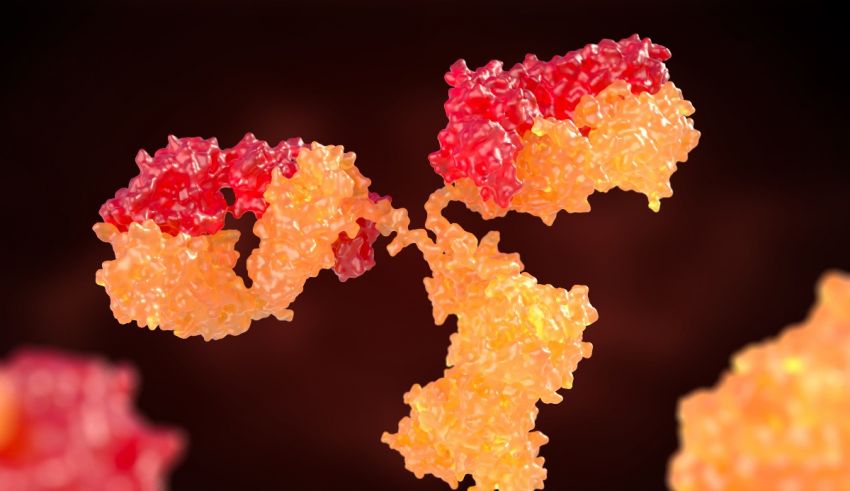
A 3d image of a red, orange, and yellow cell.
  • Hydrogens

  • Happy

  • Hydrated Molecules

  • Hamsters?

11
What did other molecules call Miss C’s group of friends?
A girl holding up a model of a chemical molecule.
  • They called them the Amino Acid group

  • They called them happy friends

  • They called them BFFs

12
Arginine is a nonessential amino acid that________________.
A girl is looking through a microscope in a lab.
  • Keeps the bacteria away

  • Helps with the oxygen level in your blood

13
Histidine is an essential amino acid that --------- ?
A microscope, a flask, and other laboratory equipment on a purple background.
  • Immunes us against diseases

  • Fights allergic illnesses

14
What is an R group?
A girl wearing goggles is looking at a model of a molecule.
  • It’s a group of friendly molecules

  • R group is a chain of molecules that attaches an amino acid

15
How many essential and nonessential amino acids are commonly taught?
A man and a girl in lab coats looking at a molecule.
  • 11 essential, 9 nonessential

  • 5 essential, 15 nonessential

  • 9 essential, 11 nonessential

  • 20 essential, 0 nonessential