Am I Socially Awkward? Free Self-Check Quiz

Take a quick, research-informed self-check for social comfort and small talk. Not a diagnosis. See tips, context, and resources for support if needed.

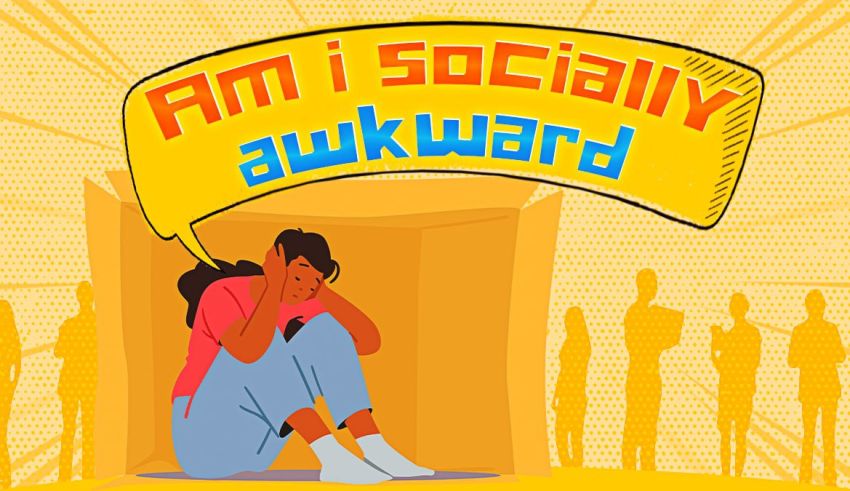
Am I Socially Awkward

Important: This self-check quiz does not diagnose any condition. If worry or avoidance harms your daily life, consider talking with a qualified professional.

What this quiz looks at

  • Comfort in common social situations
  • Reading and using social cues like eye contact and turn-taking
  • Worry before or after conversations
  • Simple skills like starting, joining, and ending small talk

It focuses on everyday behavior. It does not label you. It gives a clear range so you can decide on the next steps.

How our quiz works

You answer brief statements about recent situations. We total your responses and place the score in one of four ranges:

  • Comfortable: You handle most social settings with ease. You may still prefer quiet time, and that is normal.
  • Slightly awkward: You have a few rough edges. One or two habits may hold you back, like interrupting or avoiding eye contact.
  • Often awkward: Social rules feel hard to read. You may overthink before or after a chat.
  • Strained: Social worry or avoidance gets in the way of school, work, or relationships. Consider support.

Your result also lists common patterns and simple practice ideas. It does not give a diagnosis or replace care.

Awkwardness, introversion, and social anxiety

Awkwardness is a set of skill gaps and comfort limits. It is not a disorder.

Introversion is a normal personality trait. Many introverts like one-to-one talks and quiet rooms. That is different from fear. If you are curious about your energy style, try our introvert or extrovert quiz.

Social anxiety disorder involves strong fear of judgment that leads to avoidance and distress. If that sounds familiar, learn more from trusted health sources linked below.

Practical ways to feel less stuck

  • Use tiny reps: Practice a single skill for one week, like greeting the barista or asking one follow-up question.
  • Plan opener lines: Keep two neutral starters ready, for example “How has your week been” or “What brought you here.”
  • Watch the basics: Face the person, keep a relaxed posture, and let your voice finish the sentence. Small cues help a lot.
  • Try structured practice: If you want a quick benchmark, take our short social skills test. It shows where to focus.
  • Adjust the channel: Some people do better in written chats at first. Others prefer short calls. Pick the format that feels manageable and gradually expand.

Better talk, fewer mix-ups

Many awkward moments are really about a style mismatch. Some people like direct questions. Others prefer stories or data. Learning your default style can help you adapt. If you want a quick read on that, try the communication style quiz and test one tip in your next chat.

When to get help

Consider professional support if you avoid key tasks, lose friends, or feel distressed most days. Evidence-based care can help. Cognitive behavioral therapy and skills training have good results for many people. You will find a link to trusted resources below.

Trusted resources we used

Read a plain overview of social anxiety, symptoms, and treatment on the National Institute of Mental Health site. For a clinical summary with signs and causes, see the Mayo Clinic guide. To see how psychologists define introversion as a trait, check the APA Dictionary.

What to do next

  1. Take the self-check with a calm pace. No need to rush.
  2. Read your range and the practice ideas.
  3. Pick one small action for this week. Keep it realistic.
  4. If distress is high, use the resources above and consider care.

Leave a Reply

Your email address will not be published. Required fields are marked *

Questions of The Quiz

1
How often do you feel lonely or left out after social time?
A blue balloon with a sad face on it.
  • Rarely

  • Sometimes

  • Often, and it bothers me

  • Often, but I like spending time alone

2
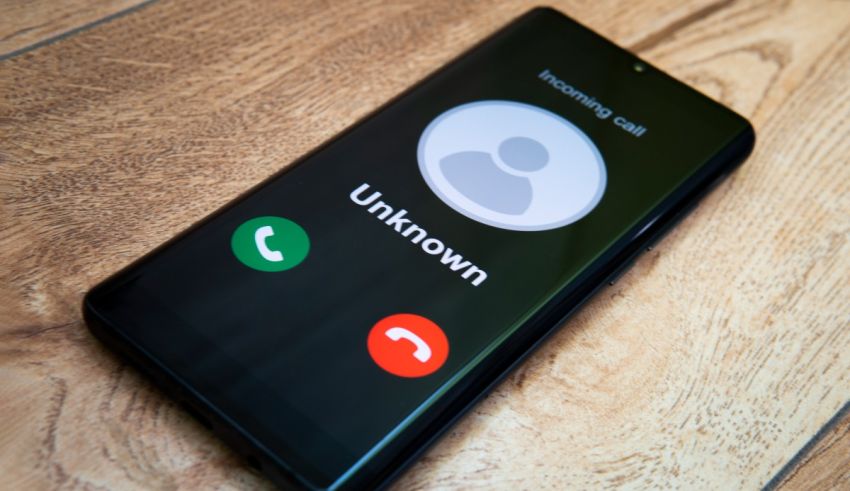
How do you feel when an unknown number calls you
A phone with an unknown call on it sitting on a wooden table.
  • Fine. It happens often

  • Cautious or suspicious

  • Nervous and unsure what to say

  • Irritated. I prefer not to pick up

3
Which description fits your sense of humor
A smiling young woman in a yellow top and jeans posing on a pink background.
  • I can make most people laugh

  • I can share a laugh with others

  • People often do not get my jokes

  • I do not joke much

4
How do you feel about small talk
Two girls sitting on a bunk bed talking to each other.
  • I enjoy small talk

  • It depends on the setting

  • I would like to, but I struggle to keep it going

  • I avoid small talk

5
How comfortable are you with eye contact
A young woman covering her eyes with her hands.
  • Comfortable

  • Depends on the person or topic

  • I try, but it feels hard to maintain

  • I prefer to limit eye contact

6
In social situations, how does your body feel
A man with dreadlocks is holding his head in pain.
  • Relaxed and steady

  • A bit tense at first, then better

  • Very tense or fidgety most of the time

  • Closed off on purpose to keep space

7
Do you lose your train of thought while talking to others
Two pink and pink speech bubbles on a yellow background.
  • Rarely. I find new topics easily

  • Sometimes, but I can recover

  • Often, and it makes me anxious

  • It depends on the situation

8
Do you find it hard to keep a conversation going
A woman holding a speech bubble over a purple background.
  • No. I can talk to most people

  • Sometimes, yes

  • Yes, often

  • Yes, and I am fine ending it early

9
How do you feel in crowded places
An aerial view of a crowd of people.
  • Energized

  • Fine

  • Anxious or overstimulated

  • Tired and ready to leave

10
What could stop you from starting a chat with someone
A young woman making a stop sign against a blue background.
  • Sensing they are not interested

  • Seeing red flags or mixed signals

  • I struggle to start with anyone

  • I prefer not to talk to most people

11
What is your biggest concern when you try to socialize
A group of people sitting on a couch looking at a laptop.
  • I do not have one

  • Oversharing or bothering others

  • Failing or being embarrassed

  • Letting too many people in my life

12
How do you feel after a family gathering or social event
A group of people sitting around a table eating food.
  • Sad because I miss those moments

  • Tired because I also need private time

  • Nervous because I replay the conversations

  • Relieved that it is over. I want quiet time

13
How do you feel about being invited to a party
A group of people at a party with fireworks in the background.
  • Excited and ready to go

  • It depends on who is there

  • Nervous about how I will act

  • Irritated. Parties are not my thing

14
Do you interrupt people when you talk about things you care about
Two men talking at a table in an office.
  • No. I listen well

  • Maybe, but it is rare

  • Yes. I do that a lot

  • No. I am rarely that engaged

15
Are you comfortable with public speaking
A microphone in front of an audience in a conference hall.
  • Yes. I handle it well

  • Not really

  • No, but I would like to improve

  • I prefer not to do speeches